Does Medicare Cover Wart Removal? When It Pays and What You Pay
Reviewed October 18, 2026. Medicare covers wart removal only when it’s medically necessary, not when it’s cosmetic. Under Part B, removal is usually covered if the wart bleeds, hurts, itches, is inflamed, blocks your vision or a body opening, keeps getting injured, or your doctor needs to rule out cancer. If it’s covered, you pay 20% of the Medicare-approved amount after the Part B deductible ($283 in 2026).
Quick answer: Ask your doctor to document why the wart needs treatment, such as pain, bleeding or a change in appearance. Without that, Medicare treats removal as cosmetic and you pay the full cost. Medicare Advantage plans must cover the same medically necessary care but may require a referral or prior authorization and charge their own copay.
Does Medicare cover wart removal?
Yes, but only in specific cases. Medicare.gov says Medicare usually doesn’t cover cosmetic surgery unless you need it because of an accidental injury, and you pay all costs for non-covered services. (Medicare.gov: Cosmetic surgery) Most common warts are harmless, so removing them only for looks is cosmetic.
Medicare’s regional contractors spell out when removal of benign skin lesions, including warts, is medically necessary in local coverage determinations (LCDs). For example, LCD L35498, “Removal of Benign Skin Lesions,” lists these reasons, at least one of which must be documented in your medical record:
- The lesion bleeds, itches intensely or is painful
- It has changed in appearance, recently enlarged, or new lesions have appeared
- There’s physical evidence of inflammation, such as pus, swelling or redness
- It obstructs an orifice or clinically restricts vision
- There’s diagnostic uncertainty and cancer is a realistic concern, or a prior biopsy suggests cancer
- It is in an area of recurrent trauma, with documentation
(CMS: LCD L35498) The same LCD also covers wart destruction in some extra situations, such as warts around the eye with recurring conjunctivitis, warts spreading from one area to another (especially with a weakened immune system), and genital warts in certain cases. Other contractors use very similar rules, for example LCD L34938. (CMS: LCD L34938) Your contractor depends on where you live, so your doctor’s billing office can tell you which LCD applies.
What you pay for covered wart removal
| Coverage | What you pay (2026) |
|---|---|
| Original Medicare (Part B) | Part B deductible ($283 in 2026), then 20% of the Medicare-approved amount, if the provider accepts assignment |
| Medigap | Most plans pay the 20% coinsurance; Plan G and Plan N don’t pay the Part B deductible |
| Medicare Advantage | The plan’s specialist or outpatient copay; prior authorization or a referral may be required |
| Cosmetic removal | Full cost; Medicare doesn’t pay |
If you think Medicare may deny the service as cosmetic, the provider may ask you to sign an Advance Beneficiary Notice (ABN) before treatment. Signing it means you agree to pay if Medicare doesn’t.
Medicare Advantage and wart removal
Medicare Advantage plans must cover everything Original Medicare covers, so medically necessary wart removal is covered. Plans set their own cost sharing and rules: an HMO may require you to use a network dermatologist and get a referral, and some procedures need prior authorization. Check the “Outpatient surgery” and “Specialist” rows in your plan’s Summary of Benefits. For help choosing a plan type, see Medicare Advantage HMO vs PPO and What is Medicare Part C?
Common wart removal treatments
Medicare doesn’t pay more or less based on the method; what matters is medical necessity. Common in-office methods include:
- Cryotherapy: freezing the wart with liquid nitrogen, often repeated every few weeks
- Chemical treatment: stronger salicylic acid or other agents applied in the office
- Electrosurgery and curettage: burning and scraping the wart
- Excision: cutting the wart out, sometimes with a biopsy
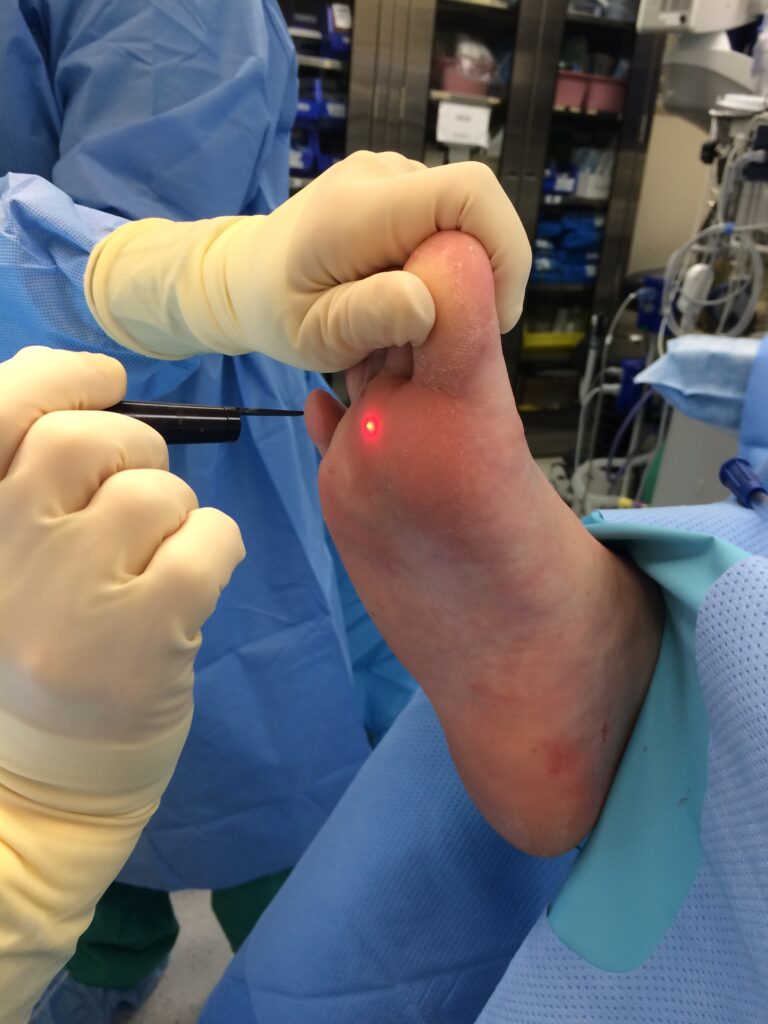
- Laser treatment: used for stubborn warts
- Immunotherapy: treatments that trigger the immune system against the wart
Over-the-counter wart treatments aren’t covered by Original Medicare. Some Medicare Advantage plans include an over-the-counter (OTC) allowance that may cover OTC wart products; see what an OTC card is.

Choosing a dermatologist
Pick a dermatologist who accepts Medicare assignment, or who is in your Medicare Advantage network. Ask the office to bill with the diagnosis that explains why the wart needs treatment. If a claim is denied, you can appeal using the instructions on your Medicare Summary Notice or plan notice. For other Medicare basics, see the basics of Medicare coverage and Medicare Part B premium 2026.
Frequently asked questions
Does Medicare pay for wart removal?
Only when it’s medically necessary, for example when the wart bleeds, hurts, is inflamed, blocks vision or a body opening, or may be cancerous. Cosmetic removal isn’t covered.
Is cryotherapy for warts covered by Medicare?
Yes, when the wart meets medical-necessity criteria. You pay 20% of the Medicare-approved amount after the Part B deductible.
Does Medicare cover removal of skin tags and seborrheic keratoses?
The same rules apply to other benign skin lesions: they’re covered only with a documented medical reason, not for cosmetic reasons.
Do Medicare Advantage plans cover wart removal?
They cover medically necessary removal, like Original Medicare, but may require referrals or prior authorization and charge a specialist or outpatient copay.
What if Medicare denies my wart removal claim?
Ask your doctor whether the medical reason was documented and coded, and file an appeal by the deadline on your Medicare Summary Notice.
This article is general information. Medicare365 is an independent website and is not affiliated with any U.S. government agency or insurance company. Talk with your doctor about treatment.